



Making London Work for All
Rent is up, bills are through the roof, and millions of workers are still not being paid a real Living Wage. The rising costs of living are affecting everyone, and the lowest paid are at the sharp end - but it doesn't have to be this way.
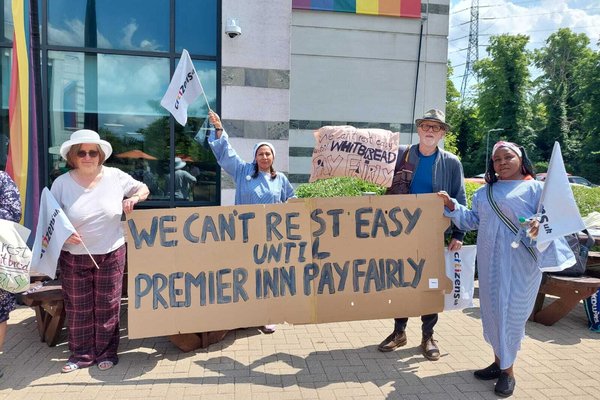
Together, we’re building a London that works for all, where every worker is given the dignity of the real Living Wage and the security of Living Hours.
2026 marks 25 years of the national campaign for a real Living Wage, which to date has put over £1.97bn of extra wages back into the pockets of low-paid Londoners since 2011. In London, this has helped over 150,000 low-paid workers, and there are currently 4,300 London-based employers accredited to the Living Wage Foundation.
But we know our work cannot stop there. Over 13% of jobs in London are still paid below the real Living Wage, and London local authorities are still over-represented amongst the areas with the worst levels of low pay. The Making London Work for All campaign works to ensure that fair pay is part of a broader strategy for justice, addressing the connection between health inequalities and work, housing and immigration.
In partnership with the Mayor of London, Trust for London, and the City Bridge Foundation, this campaign will unlock Living Wage, Living Hours and Living Pension accreditations – focusing on Health & Social Care, Creative & Cultural industries, Sport, and Planning & Construction. It will establish both Equity Neighbourhoods and Worker Centres to root the campaign in community leadership.
- An equity neighbourhood is a coalition of organisations and community leaders using community organising and working together to make a neighbourhood more equal. Initially, Equity Neighbourhoods will be set up in Southwark and in North London.
- Worker Centres are places where low-paid, generally migrant, workers in global cities can access practical support and organising opportunities around issues connected to work, poverty and migration. Community organisations will come together to host Worker Centres where there will be an emphasis on building community with food sharing, childcare and social activities.
Living Wage, Living Hours and Living Pension

Become a Living Wage employer
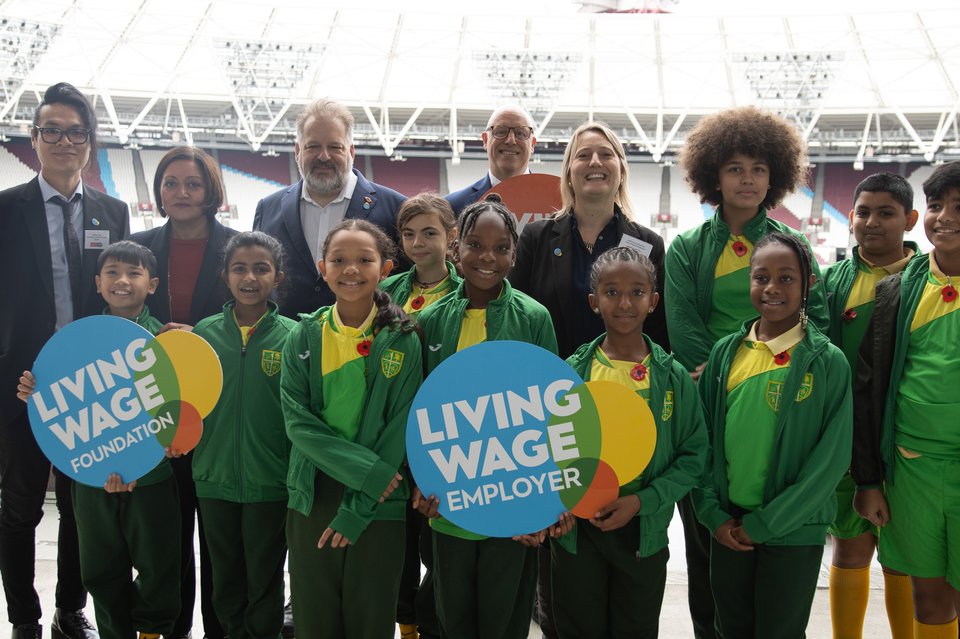
The London Living Wage is £14.80 an hour, for everyone aged 18 and above. The real Living Wage is the only UK wage rate based on the cost of living and voluntarily paid by over 16,000 UK businesses who believe their staff deserve a wage which meets everyday needs.
Living Hours
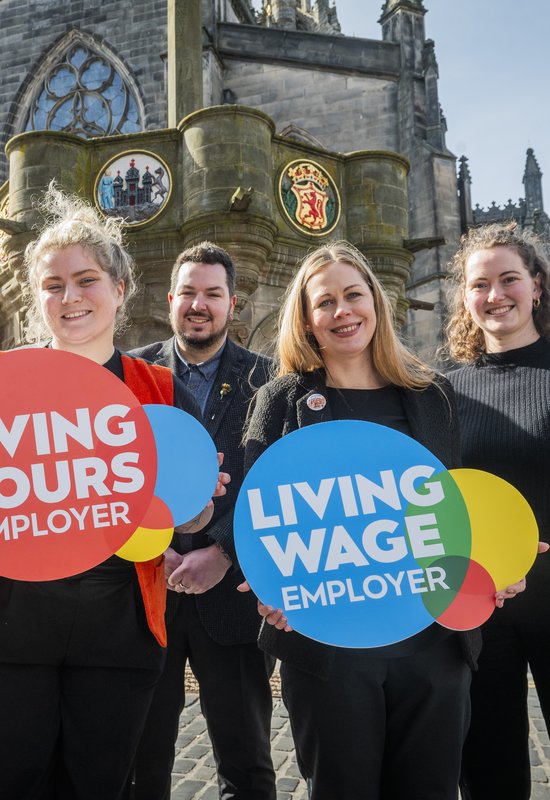
The Living Hours accreditation builds on the foundation of the Living Wage, ensuring that everyone has the secure working hours they need to thrive.
We can work with you – no matter where you are on your journey - to tailor the process and help with the practicalities of implementing Living Hours.
Living Pension
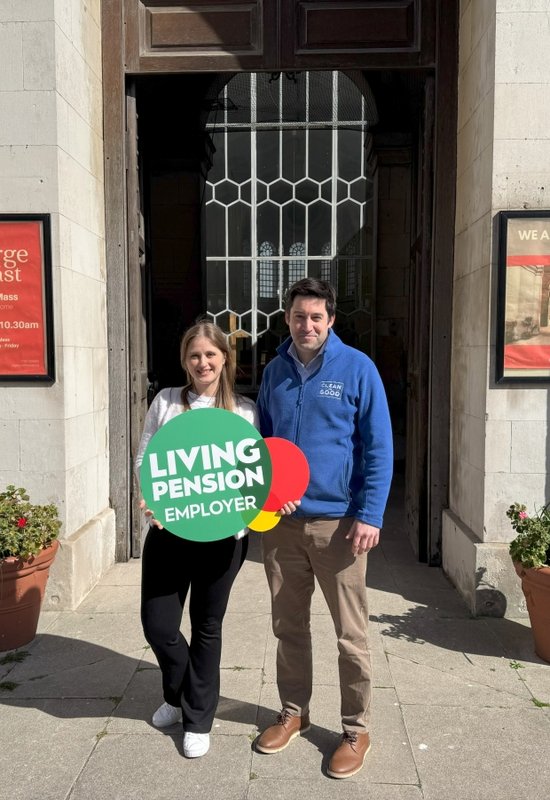
The Living Pension accreditation provides an annual savings target for Living Wage Employers to provide workers with financial security now and in the future.
The accreditation builds on the success of the Living Wage and sets an annual pensions savings target that employers can have confidence in, making it easier to do the right thing by their employees.
What we've achieved so far
The Making London a Living Wage City campaign, which was the first phase of this work, was a partnership between the Mayor of London, Citizens UK and the Living Wage Foundation that aimed to tackle this low pay in the Capital, supported by Trust for London.
The campaign, which ran from September 2021 to August 2025, doubled the number of Living Wage Employers in the capital, secured 70,308 pay rises nationally through London-headquartered employers, and generated a total of £628m in economic value for London. 500 local leaders were trained in community organising through this initiative, driving the campaign’s success. Together, they led conversations with employers to build relationships, took action by turning up at offices, and engaged local government decision-makers.

There was a time when I earned so little that getting through the week felt like a battle. That experience of surviving on low pay is what first spurred me into this work, but what keeps me here is being a part of the incredible change that can be achieved when communities, businesses and local government decision makers come together. [...] And ultimately it’s about so much more than wages – it’s families affording fresh food, workers being able to pay their bills, and people walking into their jobs with their heads held high. That’s the London we’re building together, and I’m proud to be part of it.
Gina Rodriguez, Citizens UK leader and project Steering Group member
Key facts and figures
- New analysis of the Annual Survey of Hours and Earnings (ASHE) data by the Living Wage Foundation shows London has the widest low pay inequalities of any UK region.
- The top four local authorities in the UK with the highest proportion of jobs paid below the real Living Wage were Redbridge (34.5%), followed by Barking & Dagenham (31.2%), then Haringey and Harrow (both at 29.7 %).
- At the same time, London is home to the local authority with the lowest proportion of low pay in the UK – City of London (2.8%) - revealing stark pay inequalities in the capital.
- Overall, 13.3 % of employee jobs in London were paid below the real Living Wage in London in 2025.
Earning less than what it costs to live has pervasive effects on health and family life. A Living Wage Foundation study found that 27% of full-time workers earning less than the Living Wage had skipped meals regularly for financial reasons in the past year; 46% thought the pay they received negatively affected their anxiety levels, and 31% of parents said that the pay they received negatively affected their relationships with their children.
As is the case across the country, low pay is a gender issue in London. Jobs held by women in London are around 20% more likely to be paid below the real Living Wage than jobs held by men. Women account for 54% of all low-paid jobs in the region.
Workers from racialised groups are more likely to experience low pay in the capital. Living Wage Foundation research shows that across the UK, Black workers are around 50% more likely to earn below the Living Wage than white workers are and racialised communities are more likely to experience insecurity at work.
People with disabilities are disproportionately affected by low pay. Among low-income Londoners, such as social housing tenants, those with a disability are paid 23% less than those without a disability.
It doesn’t have to be this way. Everyone needs to earn a wage they can live on, that provides security.
Institution-Specific Resources
Here are some institution-specific resources we recommended to members to raise the profile of this campaign.
- Anglican/Catholic: organise a celebration of care workers in your church: Service For Caregivers
- Muslim: Organise a roundtable in your Mosque on Islam and in-work poverty: Muslims & the real Living Wage
- School: Run a school assembly or lesson on the Living Wage: Schools & the real Living Wage
- Youth Groups: Activities for young people to get involved in the Living Wage campaign: Youth groups & the Real Living Wage
If you'd like to know more about the project, please email London Citizens at Londoncitizens@citizensuk.org.
News, Stories and Updates
-
 Citizens UK celebrates the success of the Making London a Living Wage City project
The project, which ran from September 2021 to August 2025, is a success story which brought together civil society, businesses and Government to tackle in-work poverty across London.
Read more -
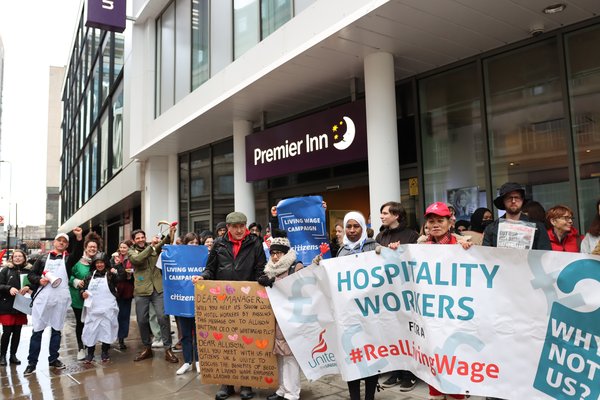 Customers want hospitality venues to pay workers a real Living Wage, new data reveals
New polling shows a majority of Londoners would be more likely to visit, and pay more for hospitality venues that pay their workers a real Living Wage. With the cost of living crisis hitting low paid workers the hardest, the Living Wage and Living Hours campaigns are more important than ever.
Read more -