
Finding Common Ground: How Community Organising Changed My Perspective
Finding Common Ground: How Community Organising Changed My Perspective
By Jon, community leader based at the University of Lancashire Students’ Union

At the University of Lancashire Students’ Union, we were struggling to connect. Engagement was low, and whole groups of students barely interacted with us. We were doing the usual - events, campaigns, services - but it felt like we were ticking boxes rather than making a real impact. A review suggested we needed to connect with students in a deeper, more intentional way. That sounded great, but how?
Broad-based community organising came up as an option. Honestly, I didn’t know much about it. Our CEO, Stef, asked me to attend training with Citizens UK to learn more. So, in February 2025, I found myself in a room in Preston with Davinia and Sarah from Citizens UK for two days of training.
Here’s the thing: my background is in commercial revenue and student activities. I knew how to run events and manage budgets, but “student voice” beyond those areas? Not really my world. The training introduced big ideas - relational power, listening campaigns, building alliances. I left with a better grasp of the theory, but I was still scratching my head. How does this actually work in a university setting? How do we turn these principles into real change for students?
Over the next few months, we started experimenting. We shifted our approach to engagement, focusing on communities - by subject, identity, faith, nationality. The overwhelming support from Davinia, the organiser for Lancashire Citizens, was crucial - not just for the Union, but for me personally. She invested time in my development as a leader and helped shape the core team that would drive this work forward. In August, we took a big leap and became a founding member of Lancashire Citizens. That decision marked a turning point: we weren’t just learning about organising - we were committing to it.
Then came November 2025 and the six-day national training with Citizens UK. This was a game-changer. It wasn’t just theory - it was immersive. And here’s where something clicked for me: the power of one-to-one conversations. Over those six days, I spoke to such a wide range of people - faith leaders, housing and refugee charity leaders, wildlife conservation advocates, mental health organisations, universities, students’ unions. All had different issues they were tackling through organising. Those conversations were instrumental in helping me understand what organising really is: listening deeply, finding common ground, and building relationships that lead to action.
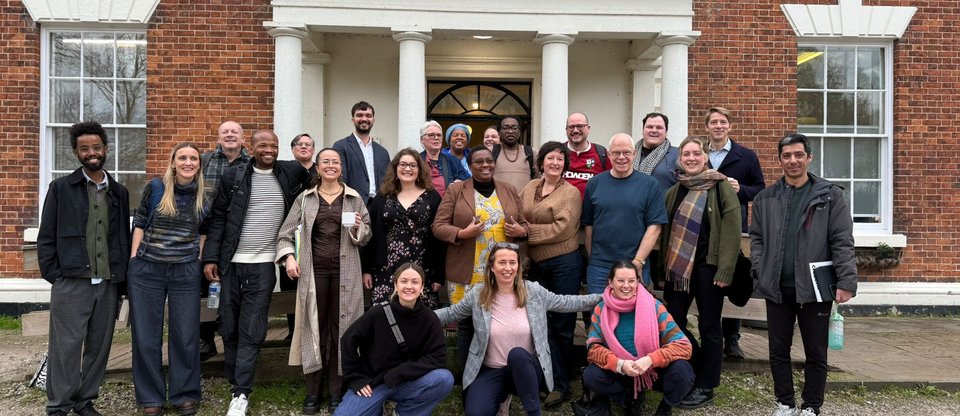
On reflection, this journey has taken me out of my comfort zone. It’s given me a whole new outlook - not just on how organising can work in a university, but how an organised university can support the wider civic agenda and deliver change at a deeper level. Engagement isn’t something we “do” for students - it’s something we build with them. And if we get this right, our Union won’t just be a service provider; it will be a catalyst for collective action that matters on campus and beyond.
My biggest takeaway? The need to be relational. To spend time building relationships, being intentional about this work, and developing the whole organisation so that we all put relationships at the heart of what we do - from our one-to-ones and team meetings to project groups. It means investing time at all levels to get the right people in the room, based on our understanding of their self-interest and how it aligns with our shared interests. This will involve developing leaders at every level of the organisation to understand the principles and value of organising.
Finally, I have to say this: Citizens UK, its organisers, leaders, and trainers are exceptional. Their commitment to building power through relationships and their ability to inspire and equip people for action is inspiring. I’m proud that my Students’ Union is part of this movement - and excited for what’s next.
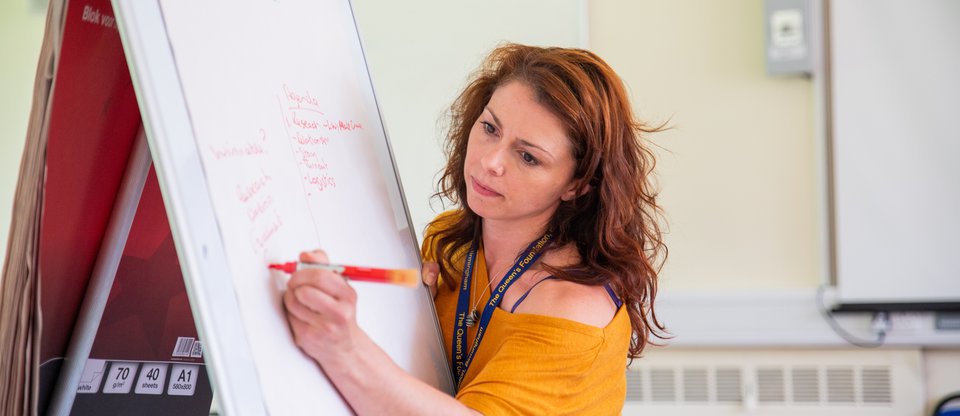
We believe that community leaders are made, not born– which is why we invest into leadership development and training with a focus on putting the theory and skills into practice.
Our training is delivered by members of the Guild of Community Organisers, which includes the leading practitioners of the craft in the UK, with over a century of experience between them.