

Realising The True Potential of the Sports Quarter
In June of this year, an unusual gathering took place in a Small Heath school. Mosques, youth clubs, community groups, business leaders, social enterprises, university leaders and neighbouring schools – 23 organisations in all, many of whom had never met before.
Just down the road is Birmingham City Football Club, who have announced a £3 billion investment into a brand new 'Sports Quarter' – a new stadium, community facilities, commercial space, housing, and around 14,000 jobs on the site once it's complete. It's the biggest bet on Small Heath in a very long time. But it's not all good news.
Part of what makes Small Heath attractive to developers is exactly what worries some local groups. Property prices are relatively low, so buying up and developing land is relatively affordable – unusual for somewhere so close to the city centre. With billions of pounds coming in, it's unlikely to stay that way. Investments like this, designed in part to bring jobs and opportunities to local people, can easily have unintended consequences. The most common one: the area becomes more attractive, property prices climb, and local people who can't afford the higher rents get forced out. Low income families are replaced by people with a bit more money, who create demand for more expensive local services, which pushes prices up further – an out of control set of dominoes that keeps falling until almost none of the original residents can afford to live there. Market forces let rip, and a community is changed forever. One local leader put this clearly, saying, “If all the Sports Quarter does is raise our rents, and force us out – what is the point?”
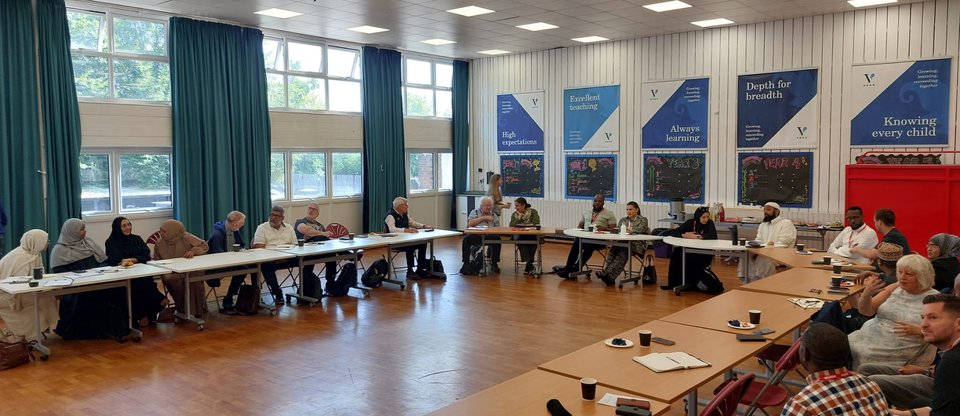
That's the concern that brought these 23 organisations together. They're walking a line between excited and worried. What does this investment mean for our community? How do we make sure we feel the benefit of it, rather than get priced out by it?
The host school, Ark Victoria Academy, is a member of Birmingham Citizens – an alliance of civil society organisations across the city who bring communities together to tackle situations exactly like this one. In January, the alliance agreed that the Sports Quarter would be one of its major priorities. They met with colleagues from London Citizens, who faced a very similar situation in the run-up to the 2012 Olympics: a massive injection of money and jobs that looked set to totally reshape East London. Their advice was simple. Get around the table with the decision makers, and build a solid plan to win.
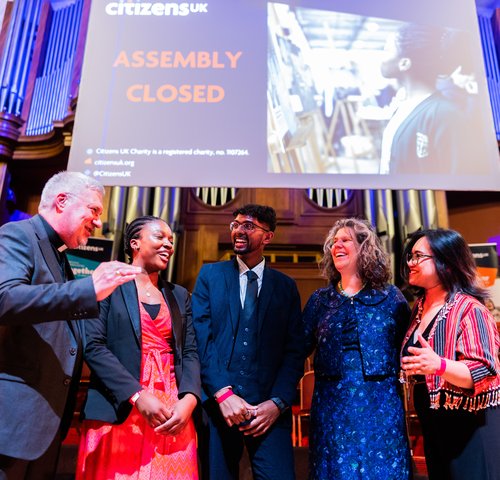
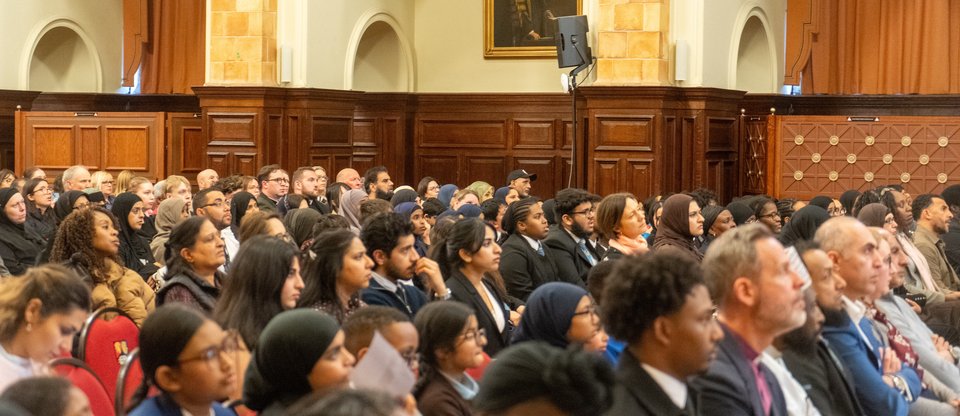
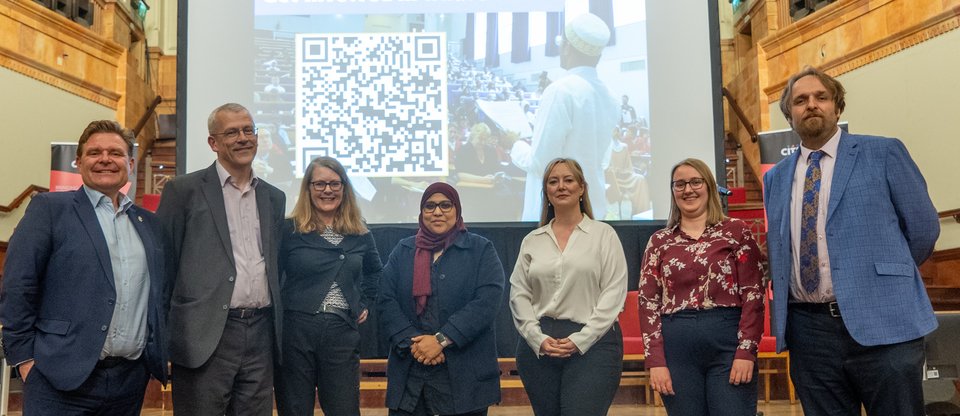
So they did. In April 2026, 575 people from across the city packed the University of Birmingham's Great Hall to put their demands to the political leaders of the city ahead of the council elections. High on the agenda was the Sports Quarter. They asked every political party to back their campaign for it to become a 'Living Wage Zone' – meaning every job on the site, during construction and after, is paid the Real Living Wage (currently £13.45 an hour, against a legal minimum of £12.71) – and to work with local people to make sure the community can actually get those jobs.
Every party said yes.
The council can't deliver this alone. The football club and their owner, Knighthead Capital, are the ultimate decision makers – though the council holds leverage through its planning approval powers. But this doesn't need to be a fight. A Living Wage Zone is good for the Sports Quarter too. A development that pays properly and recruits locally gets a committed workforce, a smoother path through planning, and something money can't buy: a neighbourhood that is genuinely behind it. Knighthead have said they want this investment to benefit local people. Here is a ready-made way to prove it – and a community organised enough to be a real partner in delivering it.
So in June, that mix of 23 organisations agreed to form a local campaign, working with Birmingham Citizens, to seek a meeting with the Sports Quarter and put their asks on work and wages directly. If we can win this, they agreed, this investment has a fighting chance of raising everyone's standard of living rather than forcing people out.
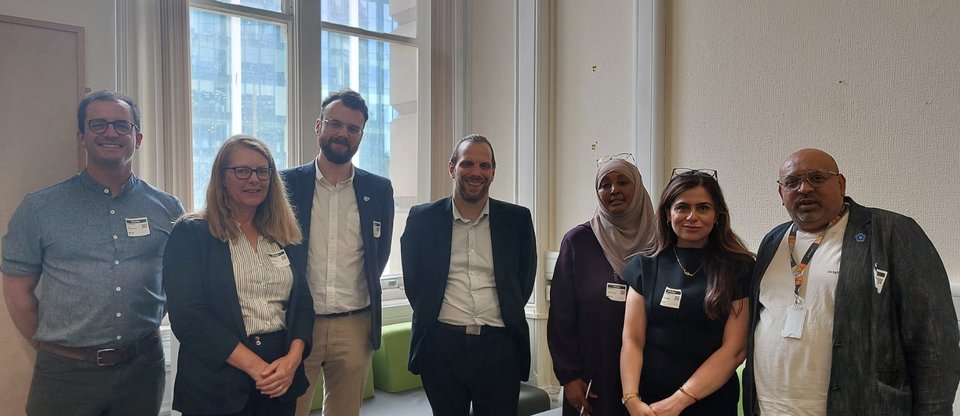
In August, Birmingham Citizens met with the Council's new Deputy Leader, Cllr Julien Pritchard, to discuss progress against the pledge. He reiterated his support for the campaign, and together they agreed a plan to make it happen.
If they secure it, thousands of local people will get a pay rise – and Birmingham will have a model for the many other £8 billion of investment coming into the city in the coming years. Raising the wages, and the aspirations, of everyone who lives here. We often hear talk of the ‘social value’ of a development, but it’s rarely as straightforward as actual cash in the pockets of local people. This would be a true game changer.
This is not set in stone, there is much more work to do. If your organisation is interested in joining our movement, get in touch.